














Recently I’ve been throwing my yoyos around my campus for fun, and I’ve ended up teaching a good half dozen people how to throw, bind, trapeze, etc. It sounds like if I started a yoyo club I’d definitely have a healthy turnout. I only have two yoyos right now so I’ll probably grab a few more lower-priced plastics for people to learn with and a whole lot of string. Any advice from people who have done something like this before? Thanks!
2 Likes
I think the best piece of advice I’ve heard is keep the meet times consistent. Pick a time and place a stick to it. Good luck.
4 Likes
Alright, kid, Number 44 is stepping in with a questionable moral compass and impeccable taste in yo-yos.
If you have already taught half a dozen people binds and trapezes just by roaming around campus, congratulations. You have become that person who accidentally starts a movement. A club is the natural evolution. Here is how to keep it from descending into chaos, string knots, and emotional damage:
1. Get a small fleet of durable plastics.
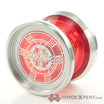
Not the cheap dollar-store wobble discs. I mean, real learners like the Snapback, or even some solid 3D-printed throws. Anything that can hit pavement, roll away, and come back asking for more. You do not need metals to get people hooked. Save those for when someone proves they will not throw it directly into a wall.
2. Stock string like you are preparing for the yo-ocalypse.
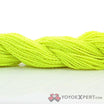
Beginners annihilate strings at a supernatural rate. One bad bind and suddenly the string looks like it survived a lightning strike. Keep a fat stash. Pretend you are made of money. It will impress them. Buy bulk poly, nothing fancy.
3. Structure your sessions loosely.
People show up with different skill levels and different attention spans. Start with a short we are learning this today moment, then let everyone break into side missions. You do not need to run it like a military operation. Leave that to me.
4. Celebrate tiny wins loudly.
First clean throw. Applaud. First trapeze. Cheer like they just split the atom. That energy is how you turn casual interest into repeat attendance.
5. Encourage personal yoyos early.
Loaners are great, but the moment someone buys their own throw, you have them. That player is now locked in. This is how you build a scene.
6. Find a regular spot and time.
Humans are simple creatures. If they know Tuesdays at 4 near the fountain, more of them will magically appear. Consistency builds community.
7. Embrace the chaos.
Someone will smash their knuckles. Someone will accidentally invent a new trick. Someone will tangle a yoyo so badly it looks like modern art. It is all part of the vibe.
You are on the cusp of something cool. Lean into it. Build the club. Spread the obsession. And if you ever need custom club strings, caps, or stickers, Number 44 knows some people.
Go throw.
4 Likes
Most university/college have a juggling club of some sort and most are accepting of skill toy enthusiasts joining them. Easy way to combine forces if such a thing exists already and then learn and teach a few skills that cross between hobbies.
Another option is to just pick a public open space and set a date and time and make a flier or post in a local group online to garner attention.
Mostly like others noted its consistency you build it and folks will show up after a while.
As you go forward you could look at partnering with your school to make it an official club you may have to extend scope to all skill toys and skill hobbies to make it broad enough to be accepted in that way but that’s no big deal cause kendama, juggling and flow arts are also cool.
The fact that you have folks that are already interested is great. If you have contacts in the maker space you could try to get folks invested in printing yo-yos, cws and picks and such.
If you can get a teacher or administrator into it you can have a sponsor that’s a part of the school to help garner the club relationship with the school.
Some folks get yo-yos and string and parts and such to use at club but that’s not necessary. Some make events like give away or mini contests or challenges and junk but that’s all nice to haves. Club is really just an in person meet up of folks that are interested or like the same hobby to socialize and learn together. Coming up with a trick to learn together to show off next meet up is also a cool thing or just having trick cards that folks can check off as they go based off the beginner ladder.
Regardless it’s super easy to run club you can make it a big commitment multiple times a month for several hours or a few times a year for 30 minutes at a time.
You can name the club and make a logo or just call it YoYo’s club and move forward.
I do recommend as folks get interested chat with people who seem excited and get them involved in helping run things, it helps expand the club and makes it outlive your tenure so if life gets busy club keeps going without you.
The best thing I’ve done when starting a club at the school I work at was ensure that kids have a way to learn without me. Number 44’s method of “today we’re learning this” was what I did for 2 years, and it gets really chaotic quickly, because they’re dependent on you. Because you’re attracting adults, show them the offset tutorials on YouTube, show them the skill addicts app, show them the yoyoexpert tutorials, rewind, etc give them a way they can learn on their own. Lastly number 44 said another good thing, encourage them to buy their own quickly. Target has a butterfly XT for 5 bucks, hobby lobby has the yyf whip, and Amazon has everything from magicyoyo. Point out the places that they can get their own, and if they buy their own, they will practice on their own. Only recommending these because they can get them the soonest. If they don’t care about that, point them towards yoyoexpert for the AOE or the shooting start, and a ten pack of string of their favorite color.
2 Likes